
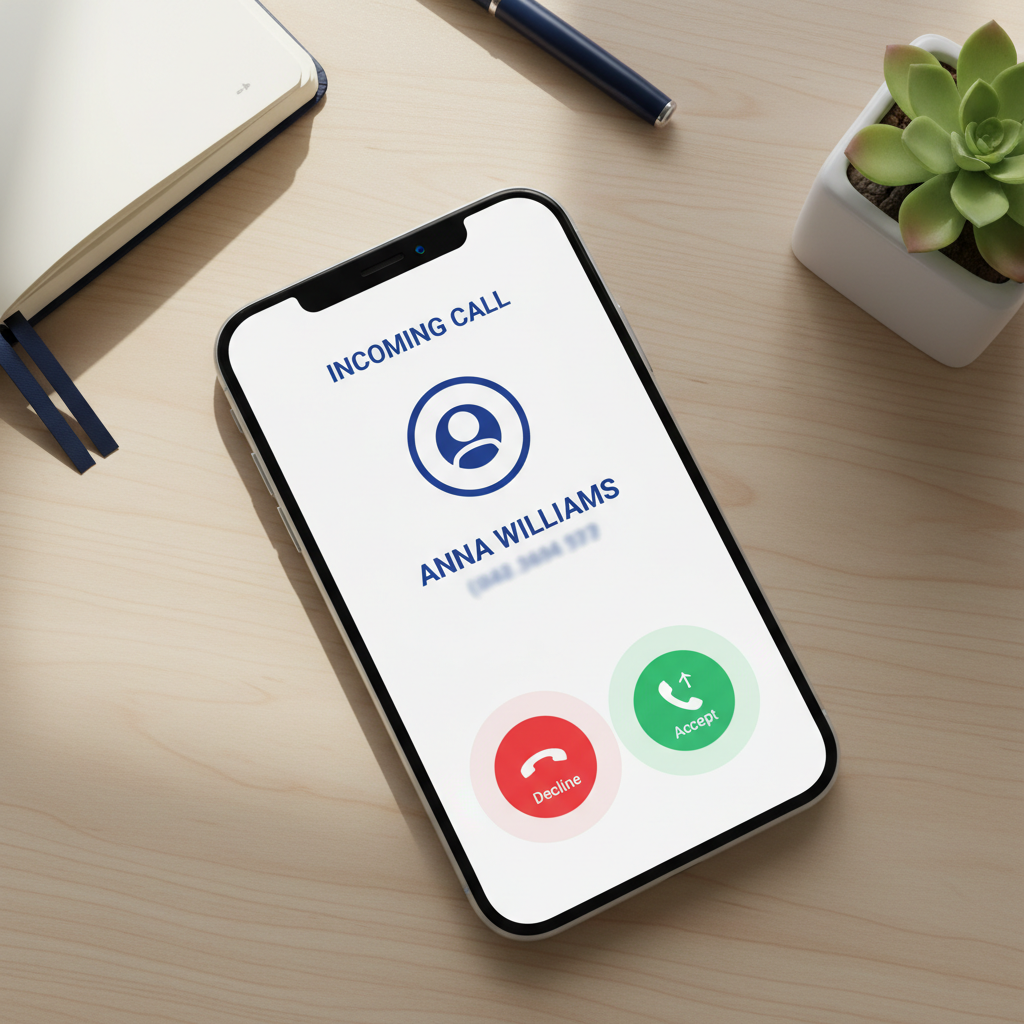
Every time your phone rings after hours and goes to voicemail, you are not just missing a call. You are handing a potential customer directly to your competitor. For small business owners in Cleveland and beyond, the phone remains the single most direct line between a prospect and a purchase, yet most businesses treat it like an afterthought once the workday ends. In this post, you will learn exactly why your phone is your highest-converting sales tool, when customers are actually calling and what happens when no one picks up, and what practical, affordable options exist today to keep your business answering around the clock without burning out your team.
Your Phone Rings Money: The Sales Power Most Small Businesses Ignore

Think about what it means when your phone rings. That caller is not casually scrolling past your business name on Instagram or stumbling onto your website out of curiosity. They searched, read reviews, checked your service area, and decided you were worth calling. That is the highest level of buyer intent a small business can earn, and it lands directly in your pocket, one call at a time.
Contrast that with a social media follower who liked your post, or a website visitor who spent 40 seconds on your homepage before leaving. Those interactions have value, but they are early in the decision process. A phone call is different. A phone call is someone saying, I am ready to hire someone today.
Now picture a plumber elbow-deep in a drain on a job in Parma, an HVAC tech under a crawlspace in Lakewood, or a landscaper managing a three-person crew in Westlake. Their phone rings, nobody answers, and the caller immediately dials the next result on Google. The job is gone before the voicemail finishes recording.
The phone is only your top sales tool if someone is always there to answer it. That single constraint is where most small businesses quietly lose thousands of dollars every month.
When Customers Call Small Businesses and What Happens When Nobody Answers
That missed call in Parma does not exist in isolation. It represents a pattern playing out dozens of times a month across every competitive service market in Northeast Ohio, and understanding exactly why it happens is the first step to stopping it.
Three realities shape how customers behave when they call a small business.
First, the timing. Most high-value service calls do not happen during business hours. Homeowners in Lakewood and Westlake are at work from 9 to 5. They think about the slow drain, the flickering thermostat, or the lawn that needs attention when they get home or on Saturday morning when they finally have a moment to deal with it. Your phone rings at 7:30 PM on a Tuesday, and nobody is there.
Second, voicemail does not hold callers. Research consistently shows that the majority of people who reach voicemail hang up without leaving a message and immediately call another provider. There is no callback, no second chance, no recovering that lead. The job goes to whoever answers next.
Third, speed-to-answer signals trustworthiness. A caller who gets no answer does not think "they must be busy." They think "this business might not be reliable." In a market as competitive as the Cleveland suburbs, that impression forms in seconds and it sticks.
You spent real money and effort building a website, collecting reviews, and earning referrals to get that phone to ring. A missed call does not just lose a job; it quietly erases the return on everything that made it ring in the first place.
The Hidden Hours: Why After-Hours Calls Are Your Biggest Missed Opportunity
The pattern of missed calls is not random. It clusters around specific, predictable windows, and once you see them, you cannot unsee them.
A significant share of service-related searches and calls happen between 7 PM and 10 PM on weeknights and throughout Saturday and Sunday mornings. These are not casual inquiries. They are homeowners who just finished dinner and noticed the water heater is making noise, or someone spending Sunday morning planning out a week of home projects before the busy week starts again.
For Cleveland-area service businesses, the seasonal layer makes this even sharper:
Winter, 9 PM on a Tuesday: A pipe bursts in a Parma basement. The homeowner grabs their phone. Whoever answers that call gets an emergency job worth $600 to $1,500.
Spring, Saturday morning: Landscaping inquiries flood in across Westlake and Rocky River as homeowners walk their yards after the first warm weekend.
Fall, the first cold snap: Every HVAC business in Northeast Ohio starts ringing with tune-up and furnace inspection requests, many arriving after 8 PM when people realize the heat is not working right.
Holiday-adjacent weekdays: The days before Thanksgiving and Christmas consistently spike cleaning, repair, and maintenance calls from homeowners hosting guests.
These callers are not browsing. They are ready to book, often with some urgency attached. The business that picks up captures the job. AI receptionist services for small businesses exist precisely because 24/7 call answering for small business is most valuable not during office hours, but during these predictable windows that most competitors leave completely unattended.
What 24/7 Call Answering for Small Business Actually Looks Like Today

So what does covering those after-hours windows actually look like for a small service business in 2024? The options have changed significantly, and it is worth understanding what each one delivers in practice.
The first option is a traditional answering service or part-time receptionist. These can work, but the limitations are real. A live answering service typically runs $200 to $500 per month for basic coverage, and the staff follows a rigid script. They can take a message, but they usually cannot pull up your calendar and book an appointment. The caller still has to wait for a callback, and that gap costs leads.
The second option, routing calls to voicemail with a callback promise, is where most small businesses currently land by default. The previous section covered the data on this: the majority of callers do not leave messages. Voicemail is not a fallback; it is a lead disposal system.
The third option is what has changed the math entirely: AI-powered call answering. Modern AI voice assistants handle inbound calls in natural, conversational language, not robotic phone trees. A caller reaches a voice that greets them by your business name, answers questions about your services and general pricing, collects their contact details, and schedules them directly into your calendar during the call. No hold music, no callback lag, no message slips.
For a solo plumber or a two-person cleaning crew, this means automated appointment booking happens without any involvement from the owner. Phoenix Callflow AI builds this specifically for Cleveland-area service businesses, configuring it around the services each business actually offers and the calendar they already use. The technology handles the intake. The business owner shows up to the job.
Three Ways to Turn Your Phone Into a 24/7 Revenue Machine
Knowing the technology exists is one thing. Putting it to work in a way that actually captures revenue is another. These three strategies apply regardless of what answering solution you currently use, and each one compounds the value of the others.
1. Acknowledge every call immediately, even if you cannot answer it live.
The gap between a missed call and dead silence is where leads die. A simple text-back automation that fires within seconds, something like "Thanks for calling. We got your message and will reach you within 15 minutes," changes the dynamic entirely. The caller now has a reason to wait instead of dialing your competitor. Even if you are mid-job in a Parma crawlspace, that automated acknowledgment keeps the lead warm and signals that your business is organized and responsive. An immediate response, even a brief one, outperforms voicemail by a significant margin when it comes to holding a caller's attention.
2. Book the appointment during the first contact, not after a callback.
Every hour that passes between an initial call and a confirmed appointment is time for the customer to find someone else. Automated appointment booking eliminates that window by putting a slot on the calendar while the caller is still on the phone. No follow-up tag, no scheduling email, no missed connection. For high-intent callers who are ready to commit, removing the friction of a second conversation converts significantly more inquiries into booked jobs.
3. Treat your call data as a marketing asset.
Most small business owners answer calls and move on. The smarter move is to track patterns: when calls come in, what services callers ask about first, and which calls convert into paid work. A Cleveland HVAC company that discovers 60 percent of new customer calls arrive on weekend mornings now has a clear directive, whether that means extending AI coverage, adjusting staff schedules, or running targeted weekend promotions. Your AI receptionist services for small businesses log this data automatically, turning every answered call into actionable intelligence rather than a transaction that disappears from memory the moment the job is done.
Is AI Call Answering Right for Your Cleveland Small Business
Those three strategies are straightforward in principle, but before most Cleveland business owners act on them, a few honest questions surface. They are worth addressing directly.
"My customers want to talk to a real person."
This is a fair concern, and it deserves a straight answer rather than a dismissal. Modern AI voice assistants do not sound like the automated phone trees that made everyone hate calling their bank. They follow the natural rhythm of a conversation, respond to unexpected questions, and never interrupt a caller to recite a menu of numbered options. Many callers complete an entire intake call without realizing they were not speaking with a staff member. More importantly, the caller gets a responsive, knowledgeable interaction at 9 PM instead of a voicemail box. That experience builds trust, not erodes it.
"It seems expensive."
Consider the alternative math. A single missed HVAC call in October is often an $800 to $1,200 furnace job. AI receptionist services for small businesses typically cost a fraction of that monthly. One recovered call per month, in most cases, covers the entire investment. Every additional answered call after that is margin the business would otherwise have handed to a competitor.
"My calls are too complex for automation."
AI handles the intake and automated appointment booking phase with consistency that is hard to match manually. Anything requiring genuine expert judgment gets flagged immediately for a human callback, so nothing falls through.
Phoenix Callflow AI is built specifically for this market. The configuration reflects Northeast Ohio seasonal patterns, local neighborhood service areas, and the competitive realities Cleveland service businesses actually navigate, not a generic offshore script dropped into an unfamiliar market.
The Bottom Line: A Phone That Never Sleeps Pays for Itself
The logic is simple once you see it clearly. High-intent callers are already choosing you before they dial. The Cleveland service market is competitive enough that a single unanswered call reliably becomes a competitor's booked job. The biggest untapped window is not during business hours but in the evenings, weekend mornings, and seasonal surge moments when motivated customers are ready to commit. And the practical solution, AI receptionist services for small businesses paired with automated appointment booking, requires no new staff and no operational overhaul.
The phone you already have is doing most of the work. The only gap is the hours when nobody is there to answer it.
Small businesses in Northeast Ohio that close that gap now are not just recovering missed calls. They are consistently capturing the customers their competitors are still sending to voicemail.